Snow in the Smoky Mountains: Your 2025 Winter Guide
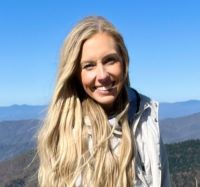 by Mountain Mama
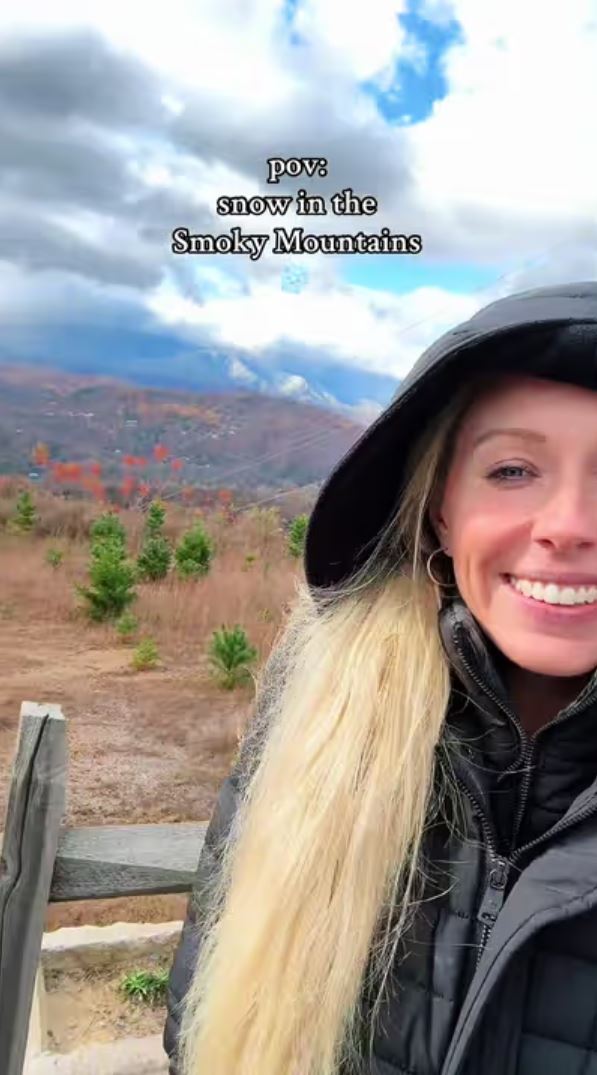
I'm literally typing this with frozen fingers because I just got out of a snow storm in Gatlinburg. Like, two hours ago. The kind where you're gripping the steering wheel with both hands, your windshield wipers are working overtime, and you're questioning every life choice that led you to drive mountain roads in a blizzard.
But here's the thing — it was absolutely gorgeous. Snow-covered evergreens, that quiet hush that only happens when the world is blanketed in white, and the realization that yeah, winter in the Smokies is legitimately magical (and occasionally terrifying).
I posted TikToks from the storm and immediately got flooded with questions: "Wait, does it actually snow in Gatlinburg?" "When should I come?" "Are the roads safe?" "What do I even pack?"
So let's talk about it. Real answers, real data, from someone who's currently thawing out with hot cocoa and zero regrets.
Does It Actually Snow in the Smoky Mountains?
Yes. Absolutely yes. But here's the thing — how much snow you see depends entirely on where you are.
Gatlinburg, sitting at about 1,300 feet, gets around 9 inches of snow per year on average. Not a ton, but enough for snowball fights and building snowmen in your cabin driveway.
Now here's where it gets wild. Drive 30 minutes up to Newfound Gap (elevation 5,046 feet), and you're looking at an average of 69 inches of snow annually. That's nearly six feet, y'all.
And if you make it all the way to Kuwohi/Clingmans Dome — the highest point in Tennessee at 6,643 feet — you're hitting close to 100 inches of snow in a typical winter. We're talking a legit winter wonderland up there.
The mountains don't all change at once, and the same goes for snow. Higher elevations get hammered while the valleys stay (relatively) tame.
When Does It Snow in the Smokies? (The Real Dates)
January and February are your best bets for snow in the Smokies. According to the National Park Service, these two months see the most consistent snowfall and the coldest temps.
But here's the wild part — snow can fall anywhere from October through April at higher elevations. I've seen snow at Kuwohi in mid-October (literally October 2024, the year's first snowfall) and as late as April when temps in Gatlinburg were in the 50s.
Here's the breakdown:
- October-November: Snow starts showing up at the highest peaks. Roads like Kuwohi Road close December 1st for the season.
- December-February: Peak winter. Gatlinburg gets occasional snow, higher elevations get buried.
- March-April: Still possible at higher elevations, but it melts fast.
Pro tip: If you're chasing snow, aim for late January through mid-February. That's when you'll catch the most consistent snow at multiple elevations — and honestly, the mountains blanketed in white are unreal.
Where to See Snow in the Smoky Mountains (The Best Spots)
Not all snow viewing is created equal. If you want guaranteed snow sightings, head to higher elevations. Here's where to go:
Kuwohi (Clingmans Dome)
At 6,643 feet, this is the highest point in Tennessee and your best chance at seeing serious snow. The road closes December 1st and doesn't reopen until around April 1st, but the Appalachian Trail stays open year-round if you're up for a serious hike (7-8 miles one way from Newfound Gap).
Fun fact: Kuwohi gets nearly 100 inches of snow annually. On a clear day from the observation tower, you can see up to 100 miles — but honestly, you're often in the clouds up here. Dress warm, bring layers, and expect temps 10-20 degrees colder than at lower elevations.
Newfound Gap
This overlook sits right at the Tennessee-North Carolina border at 5,046 feet and gets over five feet of snow each year. It's accessible year-round by car (when not closed for weather), making it one of the easiest spots to catch snow views without hiking.
Drive south from Gatlinburg on Newfound Gap Road — the higher you go, the better your chances. Just check the National Park road closure website before you head out, because this road closes fast when snow and ice hit.
Ober Mountain
Want guaranteed snow? Head to Ober Mountain in Gatlinburg. They use SnowMagic technology to make real snow even when temps hit 70 degrees (wild, right?).
Get Mama Cabin Updates
Stay in the loop with the latest deals, insider tips, and exclusive Smoky Mountain secrets!
No spam, unsubscribe anytime
Snow tubing opens November 15, 2025, and ski season kicks off November 22, 2025 — just in time for Thanksgiving week. This year they're offering unlimited daytime tubing and a new "Cosmic Tubing" experience after dark starting at 5 p.m.
Ober's ski season typically runs through mid-March, so if Mother Nature isn't cooperating, you've still got options.
Other Snowy Stops
- Roaring Fork Motor Nature Trail: Beautiful when snow-covered, but it closes December 2nd for the season.
- Cades Cove Loop Road: Open year-round (weather permitting), and seeing snow blanketing the valley with historic cabins? Chef's kiss.
- Morton Overlook & Carlos Campbell Overlook: Both offer stunning snow-covered mountain views without the crowds.
What About Road Closures? (Let's Be Real)
Winter weather is the #1 reason roads close in the Smokies. When ice and snow make things slick, the steep, curvy roads become legitimately dangerous.
Here's what closes seasonally every year:
- Kuwohi Road (formerly Clingmans Dome Road): Closes December 1st, reopens around April 1st.
- Roaring Fork Motor Nature Trail: Closes December 2nd.
- Little Greenbrier Road: Closes December 2nd.
- Forge Creek Road: Closes January 1st.
But even year-round roads like Newfound Gap Road (US 441) and Cades Cove Loop Road can close temporarily during winter storms. Just two days ago (November 10, 2025), several park roads were closed after the Smokies received several inches of snow at higher elevations. Crews had to wait for ice to melt before reopening.
Before you drive anywhere in winter, check:
- National Park Service road status: Call (865) 436-1200 and press 631 for road closures or 630 for weather.
- Follow @SmokiesRoadsNPS on Twitter/X for real-time updates.
- Check the NPS website for current conditions.
Can You Drive to the Smokies in Winter? (Safety First)
Yes, but you need to be smart about it.
Most roads in Gatlinburg, Pigeon Forge, and Sevierville are fine year-round. The main highways stay clear, and you'll be totally fine getting to your cabin or downtown.
But. Once you start heading into higher elevations — especially on Newfound Gap Road, Ski Mountain Road, or any winding mountain roads — conditions change fast.
Mamas Pro Tip
Here's my honest advice:
- Check the forecast and road conditions before you leave your cabin.
- Drive slowly. Like, frustratingly slow. Those curves are no joke on ice.
- AWD or 4WD is your friend during active winter weather. Some roads (like Ski Mountain Road to Ober) may require it.
- Pack an emergency kit: Blankets, water, snacks, phone charger. Just in case.
- Don't be a hero. If conditions look sketchy, turn around. The view will still be there tomorrow.
Most cabins in the area are accessible year-round, but steep gravel driveways can get icy. Ask your cabin host about winter access before you book.
What's the Weather Actually Like in Winter?
Let's break it down by elevation, because the difference is wild:
Lower Elevations (Gatlinburg, Pigeon Forge, Sevierville)
- Average highs: Low 50s°F
- Average lows: High 20s°F
- Average snowfall: 7-9 inches per year
- Vibe: Mild winters with occasional snow. Think cozy sweater weather with a few frosty mornings.
Higher Elevations (Newfound Gap, Kuwohi)
- Average highs: Mid-30s to low 40s°F
- Average lows: Teens to low 20s°F
- Average snowfall: 69-100 inches per year
- Vibe: Legit winter. Canadian-level cold. Bundle up.
Wind chill at the peaks can make it feel 10-30 degrees colder, so even if your weather app says 35°F, trust me — it's gonna feel like 5°F with that wind whipping across the ridges.
What Can You Do in the Snow?
Winter in the Smokies isn't just about looking at snow from your cabin (though that's a vibe too). Here's what's actually open and fun:
Ober Mountain Winter Activities
- Skiing & Snowboarding: 10 trails from bunny slopes to black diamonds. Season starts November 22, 2025.
- Snow Tubing: Opens November 15, 2025. Sessions are 90 minutes, unlimited runs during the day. Book ahead — it sells out fast.
- Cosmic Tubing: New nighttime tubing experience starting at 5 p.m.
- Ice Skating: Indoor rink open year-round.
- Ice Bumper Cars: Exactly what it sounds like, and way more fun than it should be.
Tickets for snow tubing run around $40-45 depending on the day. Kids ages 3-4 ride free with a paid adult.
Winter Hiking
Yes, trails stay open in winter (most of them, anyway). Some favorites:
- Laurel Falls Trail: Currently closed for rehab until mid-2026, but normally a winter gem.
- Alum Cave Trail to Mount LeConte: Strenuous but stunning. Pack snowshoes if there's heavy snow.
- Clingmans Dome via Appalachian Trail: For serious winter hikers only. 7-8 miles one way from Newfound Gap.
If you hike in winter, bring layers, traction devices (like microspikes), and tell someone where you're going. Cell service is spotty.
Cross-Country Skiing
When Kuwohi Road is closed to vehicles, it becomes a winter wonderland for cross-country skiing and snowshoeing. The National Park even has a volunteer Nordic Ski Patrol to help visitors. It's a brutal 7-mile uphill trek, but the solitude and views? Worth it.
The Blizzard of '93 (A Wild Smoky Mountain Snow Story)
We can't talk about snow in the Smokies without mentioning March 12-13, 1993 — the legendary Blizzard of '93.
This storm dumped snow from Florida to New York and absolutely buried the Smokies. Both Newfound Gap and Mount LeConte received approximately five feet of snow in just two days. Snow drifts at Newfound Gap were reported at nearly 10 feet high.
Newfound Gap Road was closed for several days until literal tons of snow melted. But for those who got to see it? Pure magic (and probably terrifying if you were stuck).
Let's hope we don't see another one like that anytime soon, but hey — it's a reminder that winter in the Smokies doesn't mess around.
Best Cabins for Snow Views
Obviously I'm biased, but not all cabins are created equal when it comes to winter. You want a place with:
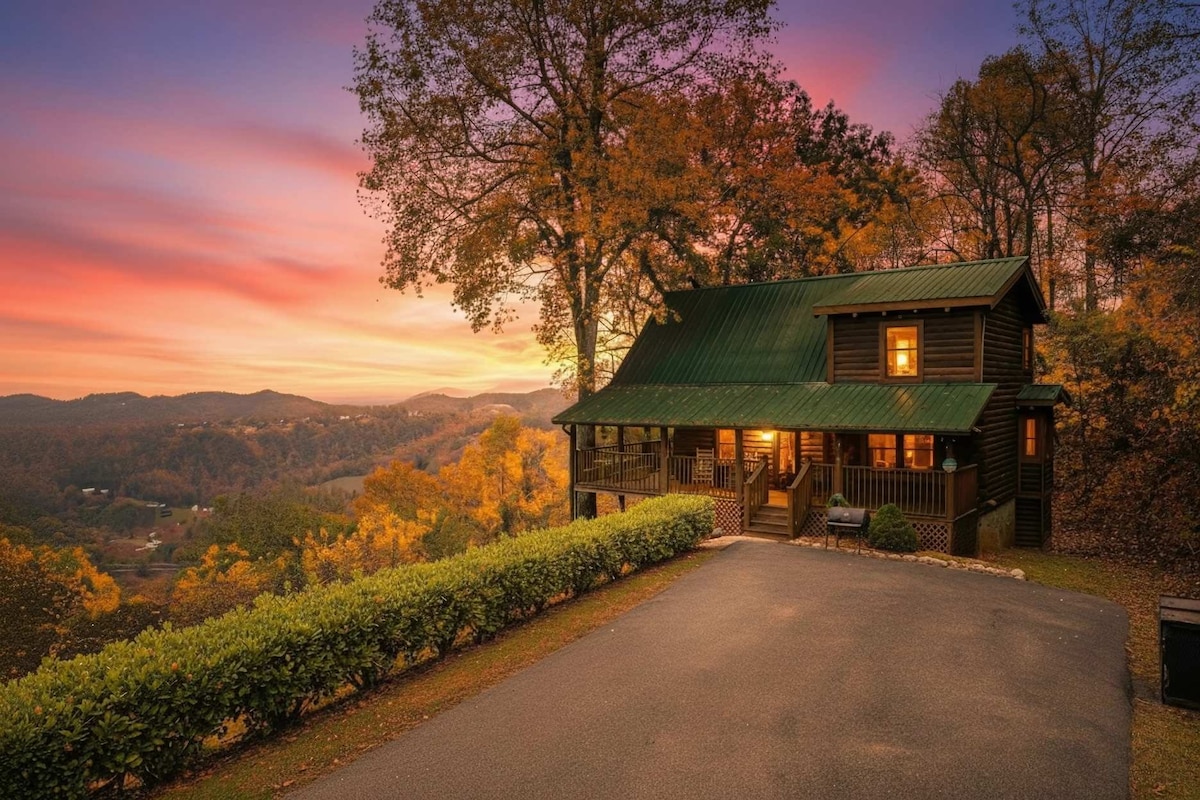
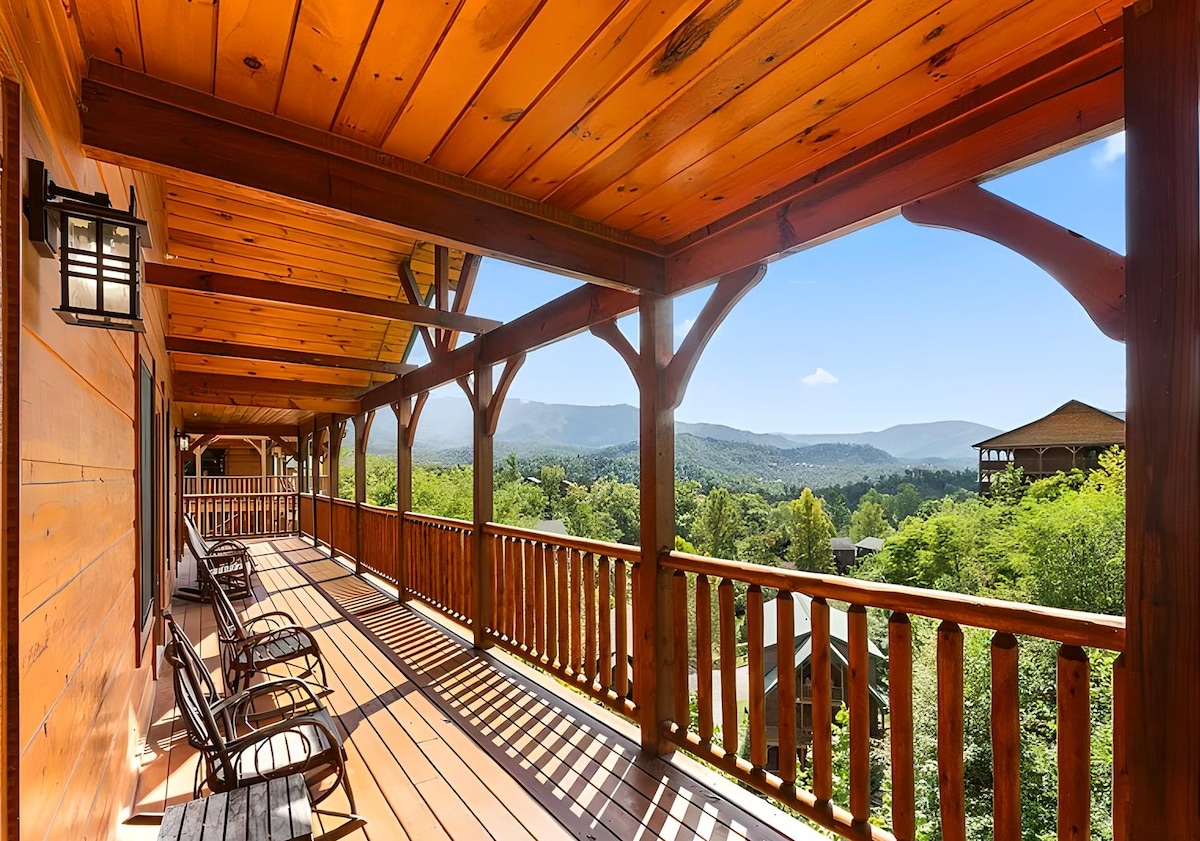
- Mountain views (not just surrounded by trees).
- A hot tub for soaking after a cold day.
- A fireplace for cozy nights in.
- Easy road access so you're not white-knuckling it up a steep gravel driveway in ice.
Some of my favorites for winter:
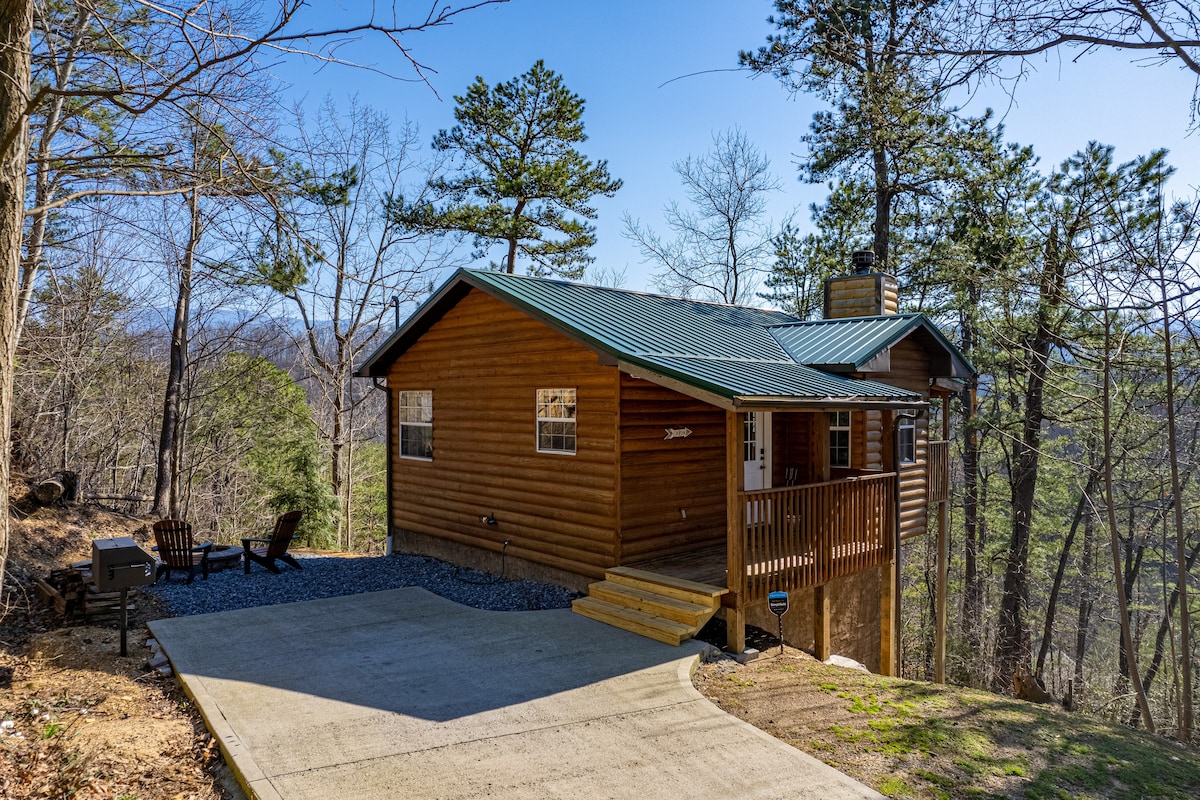
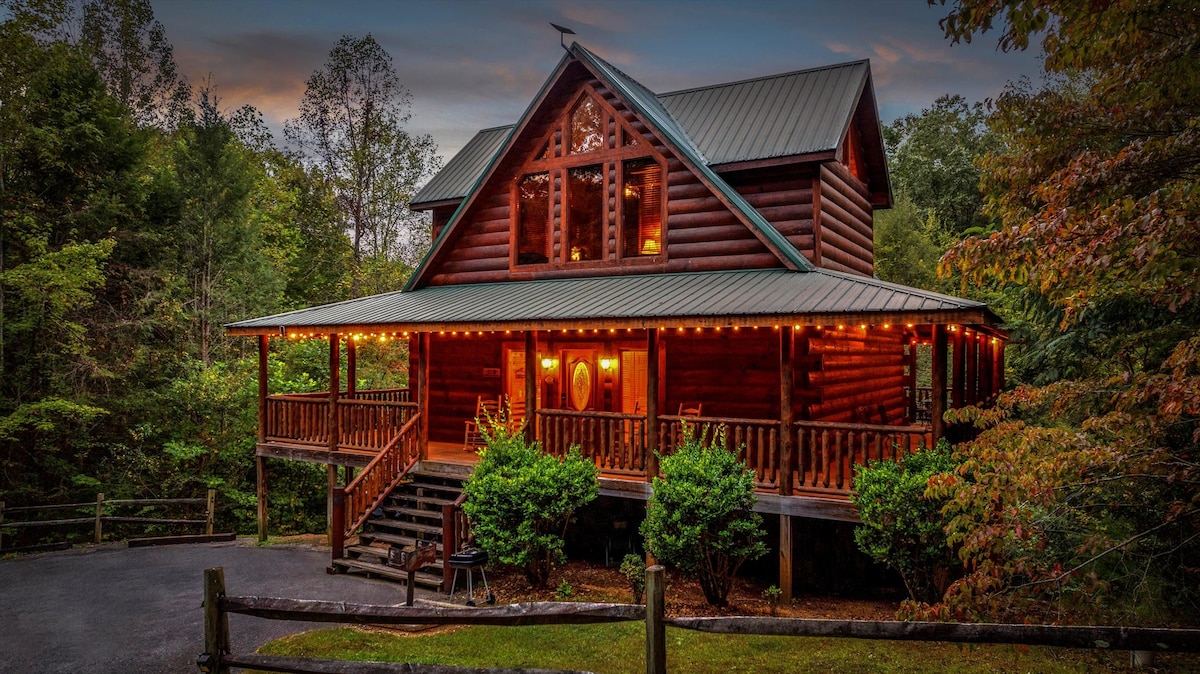
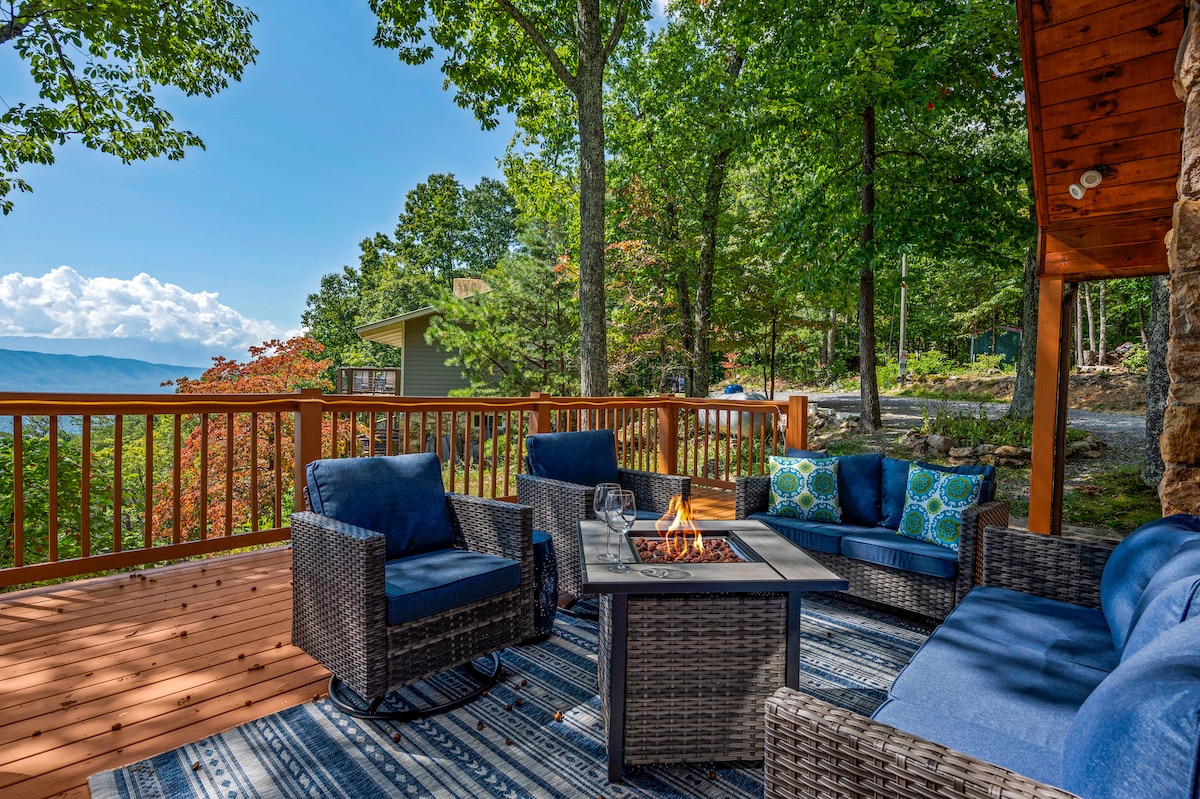
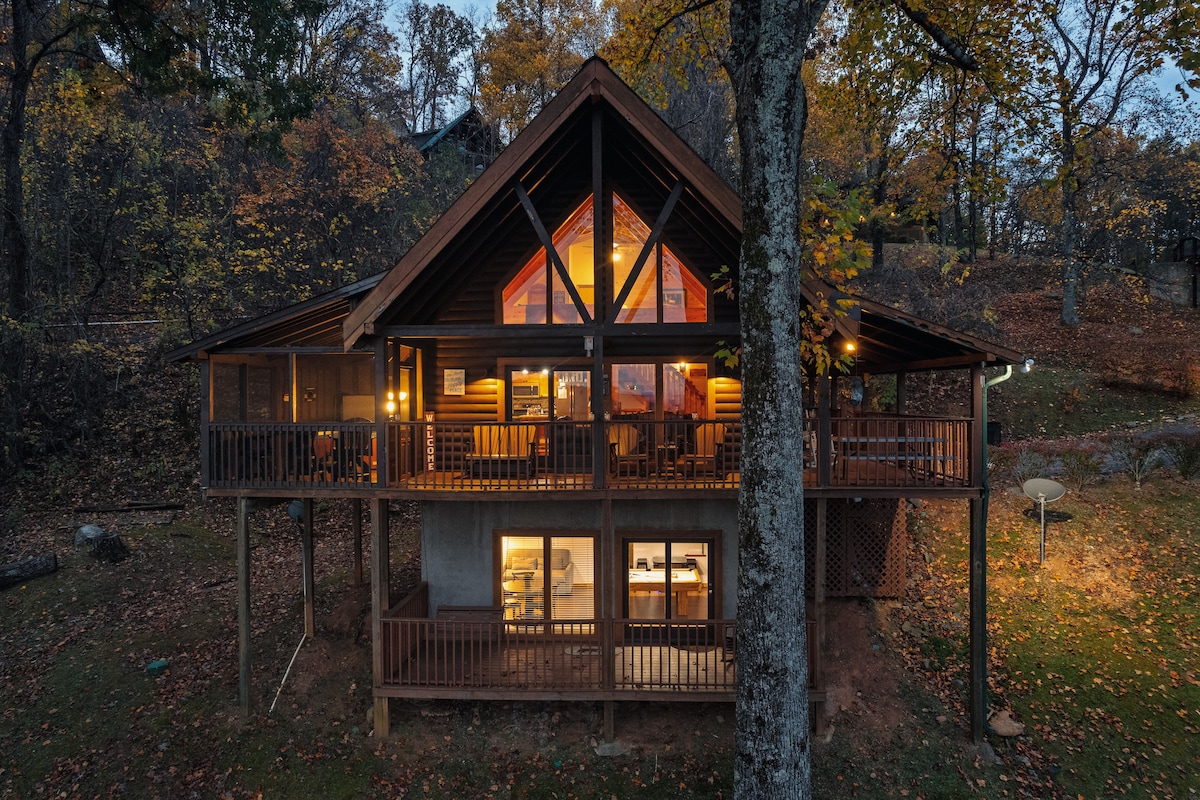 Mamaw & Papaw's Place: Sweeping mountain views, wraparound deck, hot tub, and easy access.
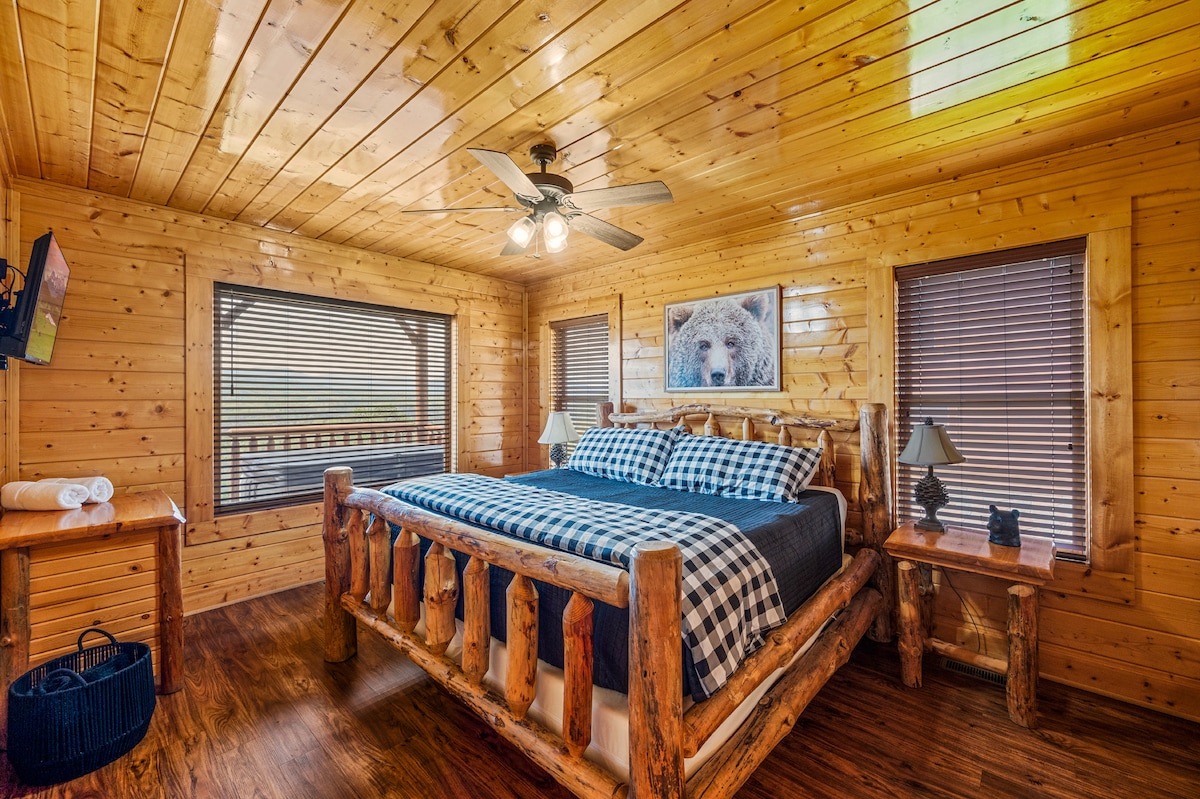 Spellbound Cabin: Panoramic views, hot tub, pool table, and resort pool access.
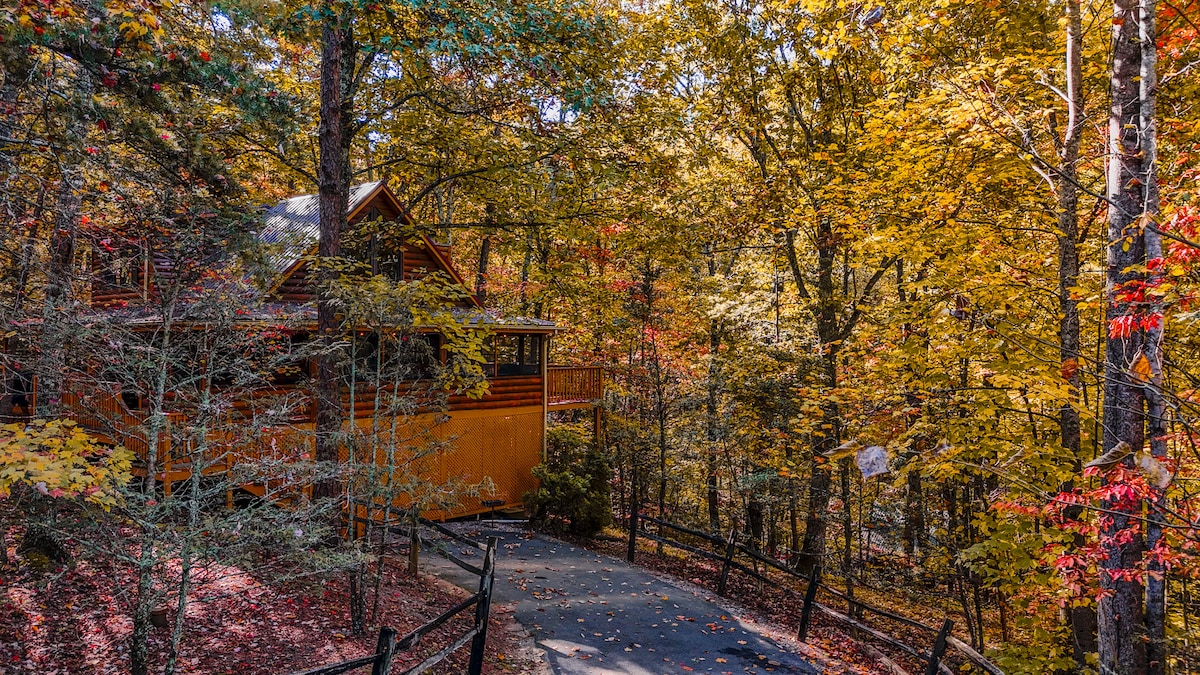 Bearolina On My Mind: Two king bedrooms, hot tub, arcade, and forest views.
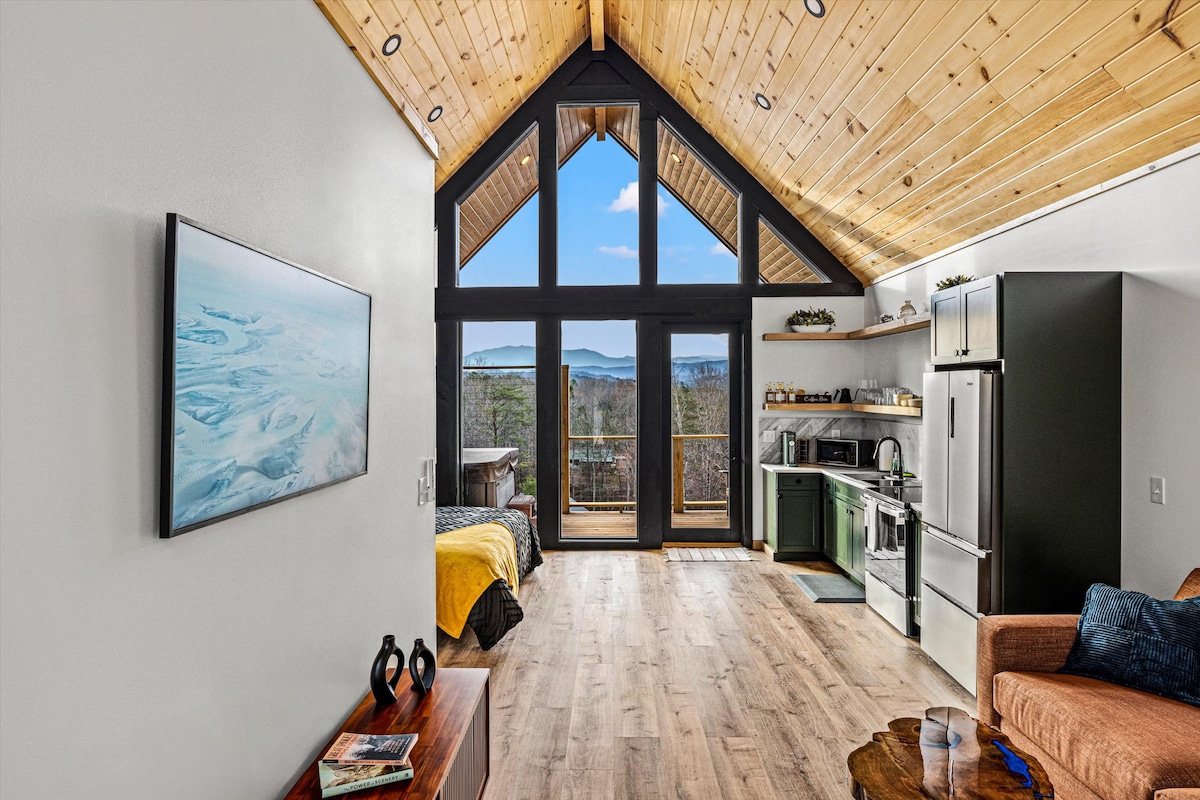 The Flame Azalea: Scandinavian treehouse with floor-to-ceiling glass and Mount Le Conte views.
Browse all our winter-ready cabins here and filter by views, hot tubs, and amenities.
What to Pack for a Winter Trip to the Smokies
Let's keep it real — you're gonna need layers. Mornings can be freezing, afternoons mild, and evenings back to freezing. Here's what I always pack:
Clothing:
- Warm jacket (waterproof if possible)
- Cozy sweaters and flannels
- Jeans or warm pants (ski pants if you're tubing/skiing)
- Boots with good traction
- Gloves, hat, scarf
- Extra socks (wet socks are the worst)
For Your Car:
- Ice scraper
- Blankets
- Snacks and water
- Phone charger
- Flashlight
For Your Cabin:
- Hot cocoa mix (obviously)
- Board games for cozy nights in
- Camera for snow pics
Let's Make This Happen
Listen, winter in the Smokies hits different. There's something about watching snow fall on these ancient mountains, soaking in a hot tub with a view, or tubing down Ober's slopes that just makes you feel alive.
Whether you're chasing serious snow at Kuwohi or just hoping for a dusting in Gatlinburg, the Smokies deliver winter magic in a way few places can.
Browse all our cabins here and if you have ANY questions — like literally anything — just reach out! Text us at (865) 412-4122 or email brittany@mamacabins.com.
Can't wait to help you plan your snowy Smokies escape! ❄️🏔️
— Mountain Mama
P.S. Follow us on TikTok and Instagram for real-time snow updates all winter long. I'll be posting from the mountains so you can literally watch the snow fall and plan your trip accordingly. (And yes, I'll show you what the roads actually look like — no sugarcoating.)